Have you ever come across a term that sounds technical, almost mysterious, yet intriguing enough to make you curious? That’s exactly how many people react when they first hear about flensutenol texture. It doesn’t sound like a common material. It doesn’t immediately remind you of something familiar. And yet, once you understand it, the concept becomes surprisingly practical.
So what exactly is flensutenol texture? Why does it matter? And how can understanding it help you in real-world applications?
Let’s break it down step by step — in simple language, with clear explanations and practical examples.
What Is Flensutenol Texture?
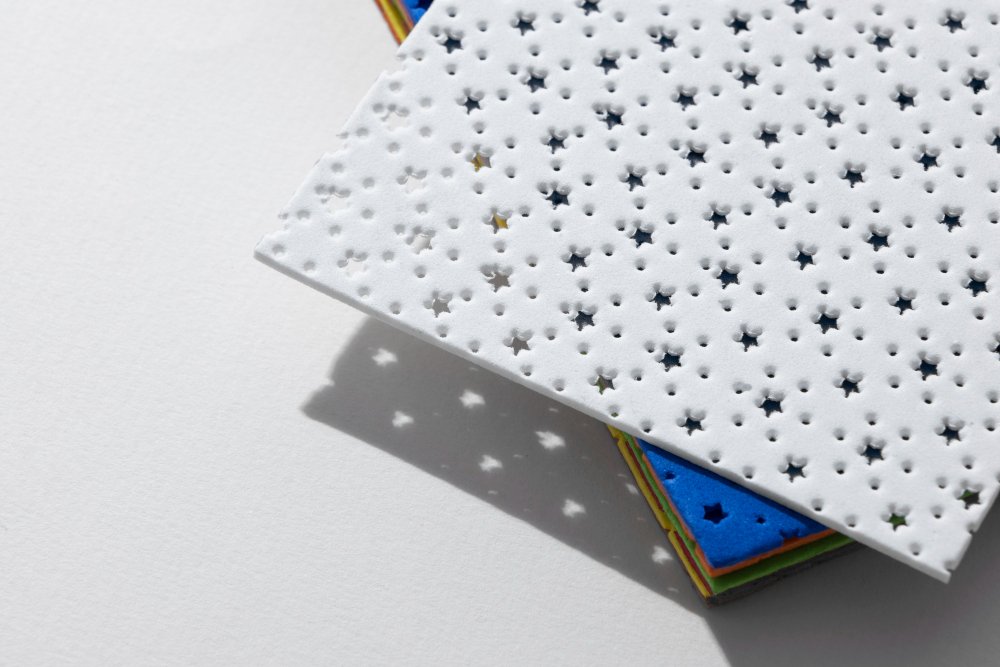
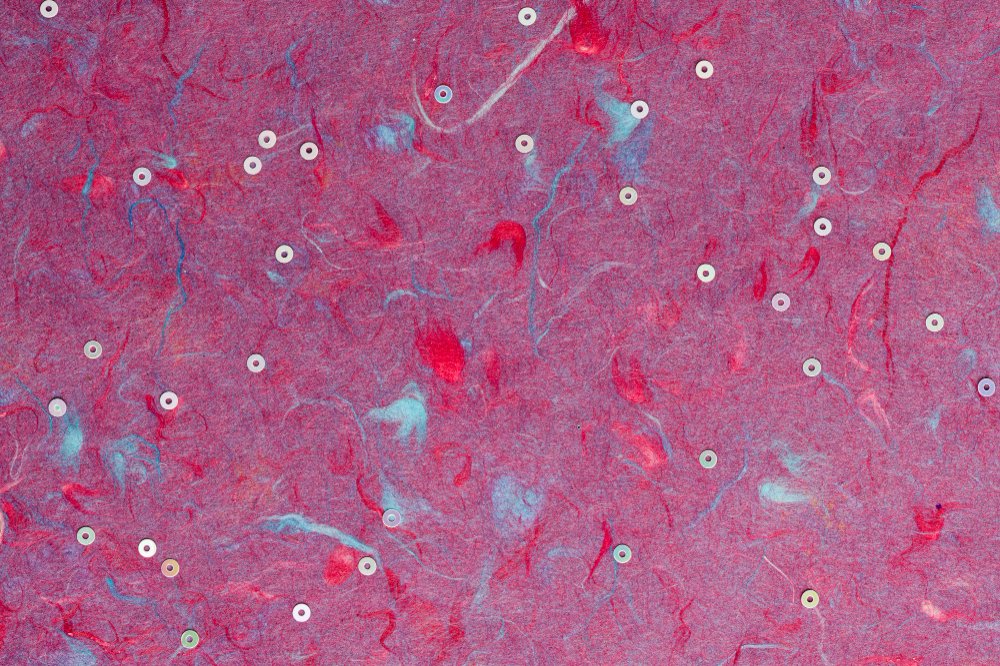
At its core, flensutenol texture refers to a structured surface pattern or material finish characterized by a balanced combination of softness, grip, and micro-layered depth. Instead of being completely smooth or extremely rough, it sits somewhere in between.
Think about the difference between polished marble and soft leather. Marble feels sleek and slippery. Leather feels slightly textured, offering resistance and warmth. Flensutenol texture shares more similarities with the second example — controlled texture, intentional surface variation, and tactile balance.
In simple terms, flensutenol texture is about creating a surface that feels comfortable, functional, and visually appealing at the same time.
But here’s the real question: why does surface texture matter so much?
Why Texture Is More Important Than You Think
We often underestimate how much texture influences our daily experience.
- The grip of your smartphone case
- The feel of your car’s steering wheel
- The finish of your laptop’s outer shell
- The packaging of a premium product
Texture affects comfort, usability, and perception.
A completely smooth surface may look elegant but can feel slippery. A very rough surface may offer grip but feel uncomfortable. Flensutenol texture aims to solve this balance problem by creating a controlled tactile experience.
It’s not just about looks. It’s about interaction.
The Core Characteristics of Flensutenol Texture
To understand flensutenol texture properly, we need to look at its defining qualities.
1. Micro-Layered Surface Structure
Instead of flat uniformity, the surface contains subtle variations. These micro-layers create depth without visible harshness. You may not see dramatic patterns, but you can feel them.
This makes the material:
- More stable to hold
- Less reflective under strong light
- Visually refined
2. Balanced Friction
One of the key benefits of flensutenol texture is controlled friction. It provides enough resistance to prevent slipping, yet remains smooth enough for comfort.
Imagine holding a matte-finish notebook compared to a glossy one. Which feels more secure in your hand? That subtle friction makes a difference.
3. Soft-Edge Tactility
Unlike aggressive textures that feel sharp or grainy, flensutenol texture maintains rounded micro-edges. That’s why it feels gentle when touched for long periods.
This is especially useful in:
- Wearable devices
- Handheld tools
- Consumer electronics
4. Visual Depth Without Overpowering Patterns
Some textures dominate visually. Others are barely noticeable. Flensutenol texture creates subtle depth — it enhances the surface without distracting from the overall design.
Where Is Flensutenol Texture Used?
Now let’s move from theory to practical examples.
Consumer Electronics
Many modern devices aim for a premium matte feel. A surface that avoids fingerprints, reduces glare, and feels comfortable during prolonged use often incorporates elements similar to flensutenol texture.
For example:
- Laptop casings
- Tablet back panels
- Gaming controllers
If you’ve ever noticed how some devices feel “soft but solid,” you’ve experienced this type of texture.
Industrial Tools
Grip is critical in industrial settings. However, too much roughness can cause discomfort or even skin irritation. Flensutenol texture helps maintain durability while improving user comfort.
Tools benefit from:
- Reduced slip risk
- Increased handling precision
- Improved long-term usability
Packaging Design
Premium product packaging often relies on tactile impressions. A slightly textured surface communicates quality more effectively than glossy plastic.
High-end packaging designers use textured finishes to:
- Increase perceived value
- Reduce surface scratches visibility
- Improve handling stability
How Flensutenol Texture Is Created
You might be wondering: how is this texture actually produced?
There are several manufacturing approaches:
Surface Etching
Chemical or laser-based etching creates micro-level patterns. These patterns are not decorative — they’re functional.
Mold Texturing
In plastic manufacturing, molds are designed with textured surfaces. When material solidifies, the texture transfers onto the product.
Layered Coating Applications
Some materials achieve flensutenol texture through layered coatings. Each layer adds micro-depth, enhancing grip and durability.
The process depends on the material — metal, polymer, composite, or hybrid.
Benefits of Flensutenol Texture
Let’s look at the practical advantages more closely.
Improved User Comfort
Long-term use of smooth surfaces can cause hand fatigue due to constant adjustment. Controlled texture reduces this issue.
Enhanced Durability Appearance
Scratches are less visible on textured surfaces compared to glossy finishes.
Reduced Glare
Micro-layered surfaces scatter light instead of reflecting it directly. This improves visual comfort.
Better Control
In applications requiring precision handling, the added friction improves accuracy.
Flensutenol Texture vs. Smooth Surfaces
To make it clearer, let’s compare.
| Feature | Smooth Surface | Flensutenol Texture |
|---|---|---|
| Grip | Low | Moderate & Controlled |
| Glare | High | Reduced |
| Scratch Visibility | High | Lower |
| Comfort | Slippery | Balanced |
| Visual Depth | Minimal | Subtle Depth |
Which one would you prefer for something you use daily? Most people lean toward the balanced option once they try it.
Real-Life Scenario: Why It Makes a Difference
Imagine you’re holding a gaming controller for three hours.
If the surface is glossy, your hands may start slipping. You adjust your grip constantly. It distracts you.
Now imagine a controller with flensutenol texture. It feels secure. Your hands relax. Your focus stays on the game.
The difference may seem small at first, but over time, it significantly improves user experience.
Design Considerations When Using Flensutenol Texture
Designers don’t apply texture randomly. They consider:
- Intended user interaction
- Environmental conditions
- Exposure to moisture
- Required durability
- Aesthetic alignment
Too much texture can overwhelm. Too little defeats the purpose.
The key lies in moderation.
Psychological Impact of Texture
Here’s something interesting — texture influences perception.
Studies in material psychology show that textured surfaces are often associated with:
- Premium quality
- Durability
- Reliability
- Warmth
A glossy finish may look sleek but can feel artificial. A balanced textured surface feels natural and trustworthy.
Have you ever picked up two products and instantly felt one was “better quality” without knowing why? Texture likely played a role.
Maintenance and Cleaning
One practical question people often ask: is flensutenol texture harder to clean?
Not necessarily.
Because the texture is micro-level and controlled, it does not trap debris the way deep grooves do. In many cases, it hides dust and fingerprints better than smooth surfaces.
Regular wiping with a microfiber cloth is usually sufficient.
Future Potential of Flensutenol Texture
As design trends shift toward functional minimalism, textures that combine subtlety with performance will continue gaining importance.
Emerging industries where flensutenol texture may expand include:
- Wearable health devices
- Smart home technology
- Automotive interiors
- Ergonomic office equipment
Consumers increasingly value comfort and durability over flashy finishes.
Common Misunderstandings
Let’s clear up a few misconceptions.
“Textured means rough.”
Not always. Flensutenol texture is controlled, not abrasive.
“Smooth looks more premium.”
In some contexts, yes. But premium often means thoughtful design — and that includes tactile comfort.
“Texture is purely decorative.”
Actually, it’s functional. It affects grip, glare, and durability.
Practical Tips for Designers and Buyers
If you’re selecting materials or evaluating products, keep these points in mind:
- Test the feel, not just the appearance.
- Check grip under slightly moist conditions.
- Observe how the surface reflects light.
- Consider long-term use comfort.
- Look for balanced friction rather than extreme texture.
Small surface decisions can transform user experience.
Key Takeaways
- Flensutenol texture refers to a controlled, micro-layered surface finish that balances grip and comfort.
- It improves usability without compromising aesthetics.
- It reduces glare and hides minor scratches.
- It enhances product perception and durability.
- It is widely applicable in electronics, packaging, tools, and design-driven industries.
Texture may seem like a minor detail at first glance. However, once you start paying attention, you realize it shapes your interaction with everyday objects more than you thought.
Next time you pick up a device, run your fingers across its surface. Ask yourself — is it slippery, rough, or perfectly balanced?
If it feels secure, subtle, and comfortable, you might just be experiencing the quiet power of flensutenol texture at work.