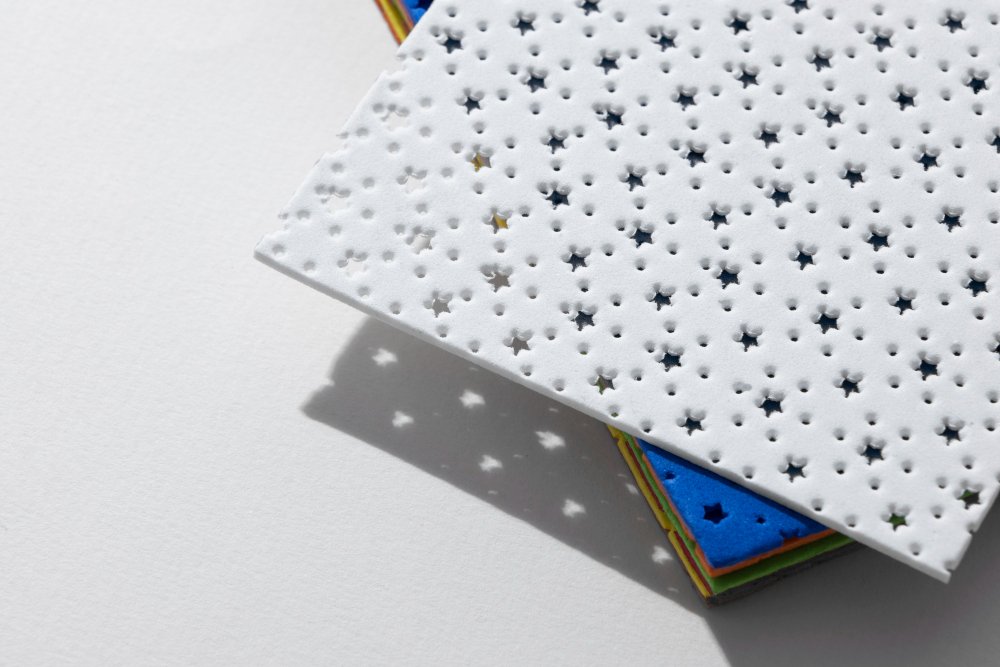
Walk into a construction site, open a fragile electronics package, or even peek behind a newly installed wall panel — there’s a good chance you’ll run into Styroglas.
Most people don’t recognize the name.
Yet they interact with it almost daily.
So what exactly is Styroglas? Is it plastic? Foam? Glass? A type of insulation?
The short answer: it behaves like all of them… but technically isn’t any one of them.
Let’s unpack it in simple terms.
What Is Styroglas?
Styroglas is a rigid, closed-cell expanded polymer insulation material designed primarily for thermal protection, structural lightness, and moisture resistance.
In plain English:
It’s a very light board-like material filled with tiny sealed air pockets that trap heat and resist water.
Those trapped air pockets are the secret.
Air is a poor conductor of heat — meaning heat doesn’t easily pass through it.
So when millions of tiny air bubbles are locked inside a solid sheet, the sheet becomes an excellent insulator.
Think of it like wearing a winter jacket.
The jacket doesn’t produce warmth — it simply traps your body heat.
Styroglas works the same way for buildings.
Why It Feels So Different From Normal Foam
You might be thinking:
“Isn’t that just thermocol or packaging foam?”
Not exactly.
Regular foam:
- Soft
- Breaks easily
- Absorbs moisture
- Mostly for packaging
Styroglas:
- Dense and rigid
- Structurally supportive
- Water resistant
- Designed for construction and engineering use
If you press it with your thumb, it barely compresses.
If you pour water on it, droplets sit on top instead of soaking in.
That’s intentional.
How Styroglas Is Made (Simple Explanation)
Manufacturers start with small polymer beads.
These beads are heated with steam, causing them to expand — similar to popcorn popping.
But instead of bursting open, they inflate and fuse together.
Now imagine millions of microscopic balloons welded into a block.
Then:
- The block is cooled
- Cut into panels
- Strengthened and stabilized
The final product becomes a board that is:
- Mostly air (over 90%)
- Extremely light
- Surprisingly strong
This is why a full-size panel can be lifted with one hand.
Where Styroglas Is Used in Real Life
Here’s the interesting part — you’ve definitely encountered it.
1. Building Insulation
The most common use of Styroglas is inside walls and roofs.
Builders place it between bricks or behind cement panels to:
- Keep heat outside in summer
- Keep warmth inside in winter
- Reduce electricity bills
A small 2-inch layer can dramatically change indoor temperature comfort.
Ever entered a new house that stays cool even without AC?
Styroglas is probably hidden in the walls.
2. Floor and Roof Heat Protection
Roofs receive the most sunlight exposure.
Without insulation, heat travels directly into rooms.
Styroglas acts like a thermal shield:
- Reflects heat
- Slows heat transfer
- Stabilizes indoor temperature
This is why modern energy-efficient homes rely on it heavily.
3. Cold Storage & Refrigeration
Cold storage facilities must prevent external heat from entering.
Otherwise electricity costs skyrocket.
Styroglas helps:
- Ice factories
- Food storage warehouses
- Supermarket refrigeration rooms
Because it resists both heat and moisture — a rare combination.
4. Packaging Sensitive Equipment
Ever unpacked a television, refrigerator, or laboratory instrument?
Those white rigid corner protectors are often Styroglas-based boards.
Why not cardboard?
Because cardboard:
- Absorbs shocks poorly
- Breaks under pressure
- Gets damaged by humidity
Styroglas absorbs impact while remaining lightweight.
5. Road and Infrastructure Projects
This surprises many people.
In weak soil areas, engineers place Styroglas blocks under roads and bridges.
Why?
Because heavy soil creates pressure and sinking.
Replacing soil with ultra-light blocks reduces weight without reducing stability.
So sometimes… roads are partially floating on air-filled material.
Key Properties That Make Styroglas Special
Let’s break down what gives Styroglas its value.
1. Thermal Insulation
Heat travels slowly through trapped air cells.
Meaning:
- Less AC usage in summer
- Less heater usage in winter
Energy savings add up over years.
2. Water Resistance
Unlike sponge-type foam, water cannot easily enter its closed cells.
So it doesn’t rot, swell, or grow mold easily.
That’s crucial in humid climates.
3. Lightweight Strength
You can carry a large panel alone, yet it can support load when installed properly.
This reduces:
- Labor cost
- Structural stress
- Transport expenses
4. Long Lifespan
It doesn’t decay like wood.
Doesn’t rust like metal.
Doesn’t crack like plaster.
It quietly stays functional inside walls for decades.
A Practical Example
Imagine two identical rooms:
Room A — regular brick walls
Room B — brick + Styroglas insulation
Afternoon temperature outside: 40°C
After 2 hours:
| Room | Inside Temperature |
|---|---|
| A | 36°C |
| B | 30–31°C |
That difference feels massive to the human body.
Less sweating.
Less fan speed.
Less electricity bill.
Is Styroglas Safe?
People often worry about safety because it’s polymer-based.
Here’s the realistic answer:
When installed correctly and covered by plaster, cement board, or drywall:
- It does not release particles
- It stays chemically stable
- It doesn’t affect indoor air
Problems only occur if burned openly or exposed directly to flame — which is why building codes require protective covering.
Just like electrical wiring needs insulation, insulation materials also need protective layers.
Environmental Considerations
A fair question:
“If it’s plastic-based, is it bad for the environment?”
The answer is mixed — but interesting.
Negative Side
- Not biodegradable
- Must be recycled properly
Positive Side
It drastically reduces energy consumption in buildings.
And buildings consume far more energy over their lifetime than the material used to construct them.
So paradoxically, using Styroglas can reduce overall environmental impact because:
Less cooling → Less electricity → Less fuel burning
Common Misunderstandings
“It melts in heat”
Only under direct high temperature exposure — not under sunlight or normal weather.
“It’s fragile”
Loose pieces break easily, but installed panels inside structures are protected and durable.
“It causes dampness”
Actually the opposite — it helps prevent condensation inside walls.
Tips Before Using Styroglas
If you ever plan construction or renovation:
1. Cover it properly
Never leave panels exposed to sun or fire sources.
2. Use correct thickness
Thin sheets give minimal benefit. Thickness matters.
3. Seal joints carefully
Gaps allow heat bridges — reducing efficiency.
4. Combine with ventilation
Insulation traps temperature, but airflow controls humidity.
Why Builders Prefer It
From a contractor’s perspective:
- Easy to cut
- Fast installation
- Reduces structural load
- Improves building comfort ratings
And from a homeowner’s perspective:
Lower bills + better comfort = long-term savings
The Takeaway
Styroglas isn’t flashy.
You won’t see it after construction finishes.
Yet it silently controls temperature, protects structures, and saves energy for years.
It’s one of those hidden materials that changes how a building feels rather than how it looks.
Next time you enter a house that stays cool in harsh summer heat, pause for a second.
There’s a good chance the comfort isn’t coming from thicker walls, expensive paint, or powerful air conditioners.
It’s coming from millions of trapped air pockets — working quietly behind the scenes.